Why Hiring a Professional Plumber Can Save You Time and Money
Hiring a professional plumber delivers considerable advantages for property owners. Their proficiency facilitates quick identification of problems, stopping small matters from worsening. Additionally, professional plumbing specialists use professional-grade instruments that provide accuracy and compliance with local codes. This adherence not only protects against potential fines but also minimizes future maintenance expenses. Understanding these advantages raises important questions about the dangers associated with DIY repairs and how to find the right specialist for the job.
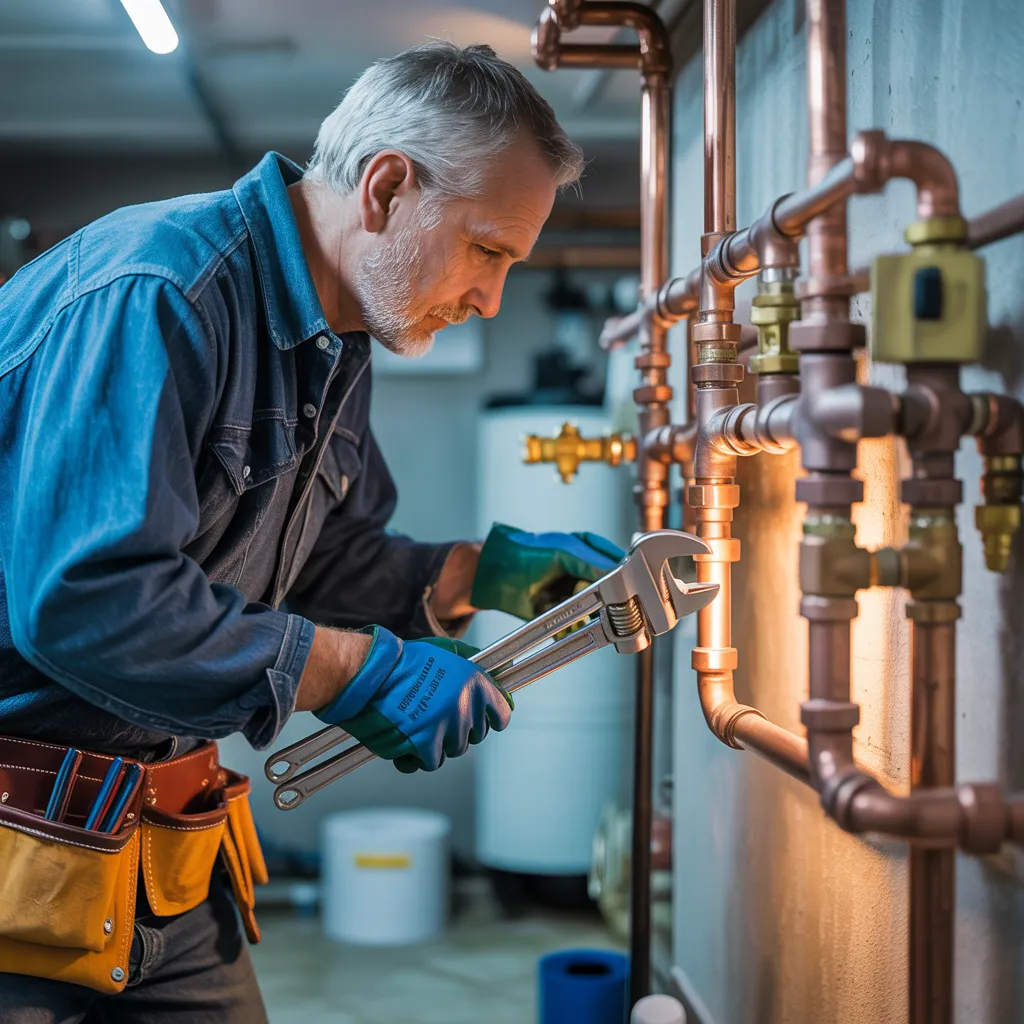
Frequent DIY Plumbing Errors to Steer Clear Of
A large number of homeowners fail to grasp the intricacies of plumbing, causing frequent DIY mistakes. A frequent error is the inappropriate use of tools, which can damage fittings or pipes. Numerous individuals also neglect to turn off the water supply before initiating repairs, leading to flooding and further complications. Misjudging the extent of leaks often results in temporary fixes that prove ineffective, causing more substantial issues over time.
A frequent issue is using the wrong sealants or adhesives, which can break down due to pressure or temperature fluctuations. Homeowners often neglect local plumbing codes, potentially facing fines or hazardous installations. In addition, failing to adequately assess the problem can lead to misguided repairs, resulting in wasted time and money. In many cases, these errors could readily be prevented by hiring a qualified professional plumber, who has the expertise and understanding to resolve plumbing problems efficiently and effectively from the outset.
The True Price of DIY Plumbing Repairs
Although DIY plumbing repairs might appear budget-friendly at first, homeowners frequently fail to consider unexpected financial burdens that can arise from these undertakings. First, buying the necessary tools and supplies can become expensive fast, most notably when specific instruments are necessary. These financial burdens may be compounded if the homeowner is forced to acquire supplies multiple times due to improper measurements or miscalculations.
Additionally, many DIY repairs can inadvertently cause further damage, increasing repair costs. For example, an poorly fixed leak might lead to water damage, mold growth, or structural issues that necessitate professional intervention. Homeowners may also experience time losses, as untrained individuals might spend significantly longer on repairs than originally planned.
Finally, the failure to provide warranties or guarantees on DIY work can result in future expenses if issues arise again. Overall, what starts as a cost-effective approach can evolve into a expensive undertaking, making hiring a professional plumber a wiser choice in the overall scheme of things.
Swift Diagnosis by Certified Plumbers
Experienced plumbing professionals bring a wealth of expertise in rapidly diagnosing plumbing concerns. Utilizing advanced diagnostic tools, they can accurately assess problems that might go unnoticed by non-professionals. This efficiency not only saves time but also reduces the risk of additional damage, providing a more reliable restoration process.
Proficiency in Detecting Problems
When confronted with plumbing issues, homeowners often find themselves overwhelmed by the complexity of the issues they face. Professional plumbers possess the expertise to quickly pinpoint underlying issues that may not be obvious at first glance. Their years of training and hands-on experience allow them to identify warning signs and patterns, enabling them to tell apart minor inconveniences and significant threats to the home's plumbing system. This expertise reduces the uncertainty involved in diagnosing problems, ensuring that the right solutions are executed in a timely manner. By precisely pinpointing concerns, professional plumbers can prevent further damage and costly repairs, ultimately helping homeowners preserve both their time and finances. Their expert understanding is invaluable in navigating through the often-confusing world of plumbing difficulties.
Advanced Diagnostic Instruments
Employing advanced diagnostic tools, plumbing professionals can rapidly evaluate and tackle plumbing problems with accuracy. These instruments, such as pipe inspection cameras and advanced leak detection tools, help technicians to identify problems obscured behind walls or lying underground. By offering a detailed look of pipes and plumbing networks, they reduce the guesswork often involved in plumbing repairs. These innovations not only supports speedier assessments but also reduces the requirement for invasive procedures, helping homeowners save time and money. Moreover, modern diagnostic equipment help plumbers generate comprehensive reports, facilitating educated choices regarding service and maintenance needs. In the end, trusting in these cutting-edge approaches elevates the reliability and proficiency of plumbing services, confirming that challenges are solved swiftly and accurately.
How Professional Tools Enhance Plumbing Fix-Its
Although many homeowners may attempt DIY plumbing repairs, the use of professional tools markedly enhances the effectiveness and efficiency of plumbing work. Expert plumbers employ advanced equipment like pipe inspection cameras, which allow for precise inspection of hidden issues within pipes. This capability enables accurate diagnosis of problems, reducing the likelihood of costly mistakes.
Furthermore, devices like hydraulic drain cleaners and trenchless solutions can hasten fixes that would otherwise take hours or days. These innovations minimize harm to your property and assure that work is finished promptly. Professional-grade fittings and wrenches also assure a long-lasting and dependable bond, preventing potential leaks that might arise from substandard amateur repair work.
Moreover, the proper instruments ensure compliance with regulatory standards, giving homeowners confidence. By utilizing sophisticated equipment, professional plumbers deliver premium repairs that not only minimize time wasted but also minimize extended costs stemming from plumbing problems.
The Reasons Plumbing Codes Are Essential for Your Safety?
Adhering to plumbing codes is vital for guaranteeing safety and functionality in all plumbing systems. These codes are intended to minimize dangers connected to plumbing installations, addressing potential hazards such as leaks, water contamination, and structural damage. Following these regulations guarantees that materials and methods used in plumbing are tested and proven to be safe.
When plumbing regulations are adhered to, the likelihood of expensive repairs and health concerns diminishes significantly. For example, inadequate drainage may cause water to pool, encouraging mold development and creating health hazards. Moreover, codes require proper venting systems to prevent harmful gas buildup.
Employing a qualified plumber who has knowledge of these codes certifies that installations are carried out correctly, reducing the likelihood of dangerous situations. Ultimately, adherence to plumbing codes not only protects the soundness of the plumbing system but also safeguards the well-being of inhabitants, making it a crucial aspect of any plumbing undertaking.
Why Professional Plumbing Is a Time-Saving Solution
Professional plumbers bring experience that empowers them to swiftly pinpoint concerns that might otherwise take a homeowner considerable time to recognize. Their precise repair techniques not only tackle the problem directly but also limit inconvenience, facilitating a rapid return to normal household operations. By relying on trained professionals, homeowners can conserve significant time and eliminate the stress of ineffective DIY repair efforts.
Expert Problem Diagnosis
Diagnosing plumbing concerns can be a challenging task for homeowners, commonly causing unneeded holdups and pricey blunders. Professional plumbers possess the expertise to accurately diagnose problems quickly. Their education and expertise empower them to recognize signs and symptoms that may elude the untrained eye. By using specialized tools and techniques, they can determine the true origin of concerns, such as leaks or clogs, instead of merely treating superficial signs. This skilled evaluation not only conserves valuable time but also minimizes further deterioration, which can escalate repair costs. Property owners can be assured that a skilled plumbing specialist will assess the situation thoroughly, offering reassurance and making certain that the plumbing system performs reliably.
Reliable Repair Solutions
When plumbing concerns emerge, swift and effective repairs are essential to limit interruptions to daily activities. Professional plumbers possess the expertise to swiftly detect concerns and execute repairs. Their training allows them to tackle challenging problems that might confuse an inexperienced person. Through the use of advanced tools and methods, they can regularly fix plumbing issues in significantly less time compared to what an inexperienced individual might require. This proficiency not only reinstates order but also prevents minor issues from escalating into costly repairs. Furthermore, skilled plumbers comply with safety regulations, reducing the risk of further damage or injury. Ultimately, employing a professional confirms that plumbing issues are addressed efficiently and thoroughly, saving valuable time and resources.
Advice for Selecting the Best Plumber
Locating the right plumber can considerably influence the cost and quality of home repairs, especially when plumbing concerns develop suddenly. To ensure a effective vetting process, property owners should commence by investigating plumbing experts in their area. Web-based reviews and endorsements from trusted friends and family can provide valuable insights.
Furthermore, it is important to confirm proper certifications and coverage. A professional plumber should carry the necessary certifications and be insured to safeguard against potential liabilities. Moreover, obtaining multiple estimates can allow homeowners to compare prices and services.
Communication is also vital; a good plumber should be willing to explain the problem and proposed solutions clearly. Finally, ask for references to gauge their reliability and workmanship. By following these tips, homeowners can confidently select a plumber who meets their needs and guarantees quality repairs, ultimately saving both time and money.
Frequently Asked Questions
How Can I Tell if My Plumbing Issue Is an Emergency?
A plumbing problem qualifies as critical when it includes significant leaks, sewage backup, or loss of water pressure. Swift response is critical so as to eliminate additional damage, increased repair expenses, and possible health hazards resulting from unresolved problems.
What Certifications Should a Qualified Plumber Hold?
A qualified plumber must have proper certifications, licenses, and comprehensive training. They ought to also demonstrate experience in various plumbing systems, understanding of local plumbing codes, and the ability to troubleshoot effectively, delivering high-quality service to all customers.
Can I Trust Online Reviews for Choosing a Plumber?
Online reviews offer useful information regarding a plumber's dependability and service quality. Nevertheless, it is important to evaluate them carefully, taking into account possible biases and the total number of reviews to gain a well-rounded view.
How Much Time Does a Standard Plumbing Repair Usually Take?
An similar article average plumbing fix generally takes between one to three hours, based on how complex the problem is. Factors such as the type of repair, accessibility, and required materials can have a considerable impact on the overall time required.
What Are Common Signs of Plumbing Issues in My Home?
Typical indicators of plumbing problems consist of slow drains, water stains on ceilings or walls, unusual noises from pipes, fluctuating water pressure, and persistent odors. Detecting these indicators at an early stage can reduce the risk of extensive damage and high repair costs.